
Drivetrain testing from every angle — system-level and component-deep
At ATESTEO North America, we test complete drivetrain systems as well as individual components, including electric axles, transmissions, gearboxes, and hybrid modules. We simulate both real-world and accelerated load conditions for hybrid, and electric vehicles. We also support drivetrain innovation beyond passenger cars, from micromobility to heavy-duty and aerospace applications.
Our engineers focus on performance, energy flow, durability, thermal behavior, and the interaction of mechanical and electronic subsystems under dynamic stress. That’s how we ensure your drivetrain meets performance targets, validation goals, and quality expectations.

Ready to dive deeper? Explore our five core testing disciplines:
Endurance testing.
Where long-term performance gets real.
Endurance testing focuses on how drivetrain systems behave over time under mechanical, thermal, and dynamic stress. We simulate real-world load cycles and operating conditions over extended durations to uncover wear patterns, thermal effects, and failure points before they impact your product.
Whether it’s gearboxes, e-axles, or complete systems, our endurance testing helps validate durability, safety, and system behavior across the full product lifecycle.
Efficiency testing.
Where energy loss becomes engineering insight.
Efficiency testing reveals how effectively a drivetrain converts energy into motion. We measure and analyze power losses, frictional behavior, thermal influences, and mechanical resistance under defined operating conditions.
Our engineers help optimize fuel consumption, electric range, and energy flow across hybrid and electric systems. The result: lower losses, better performance, and measurable gains in drivetrain efficiency.
Functional testing.
Where drivetrain behavior becomes measurable.
Functional testing evaluates how drivetrain systems respond to changing load, speed, and shift conditions. We simulate dynamic scenarios and monitor the interaction of mechanical, electrical, and software-based subsystems.
Our testing covers transmission response, control strategies, torque path behavior, and driveability — helping you tune performance and identify critical interactions across all drivetrain architectures.
Environmental simulation.
Where drivetrains face reality.
Environmental simulation testing exposes drivetrains to temperature, humidity, altitude, and pressure conditions they may face in real operation.
We replicate extreme climates and stress factors to identify how components behave under environmental load. This enables you to validate functionality, material performance, and system integrity across all operating conditions — from cold starts to desert heat.
E-mobility testing.
Where electrified drivetrains prove their power.
E-mobility testing at ATESTEO covers the full range of electrified drivetrain systems — from single inverters to integrated e-axles and multi-motor setups. We validate thermal behavior, torque delivery, energy flow, recuperation, and system response under high-voltage and dynamic load conditions.
Whether you’re working on a lightweight EV or a heavy-duty electric platform, we provide the precision and insight you need to optimize electric performance.
Built for the real challenges of drivetrain testing.
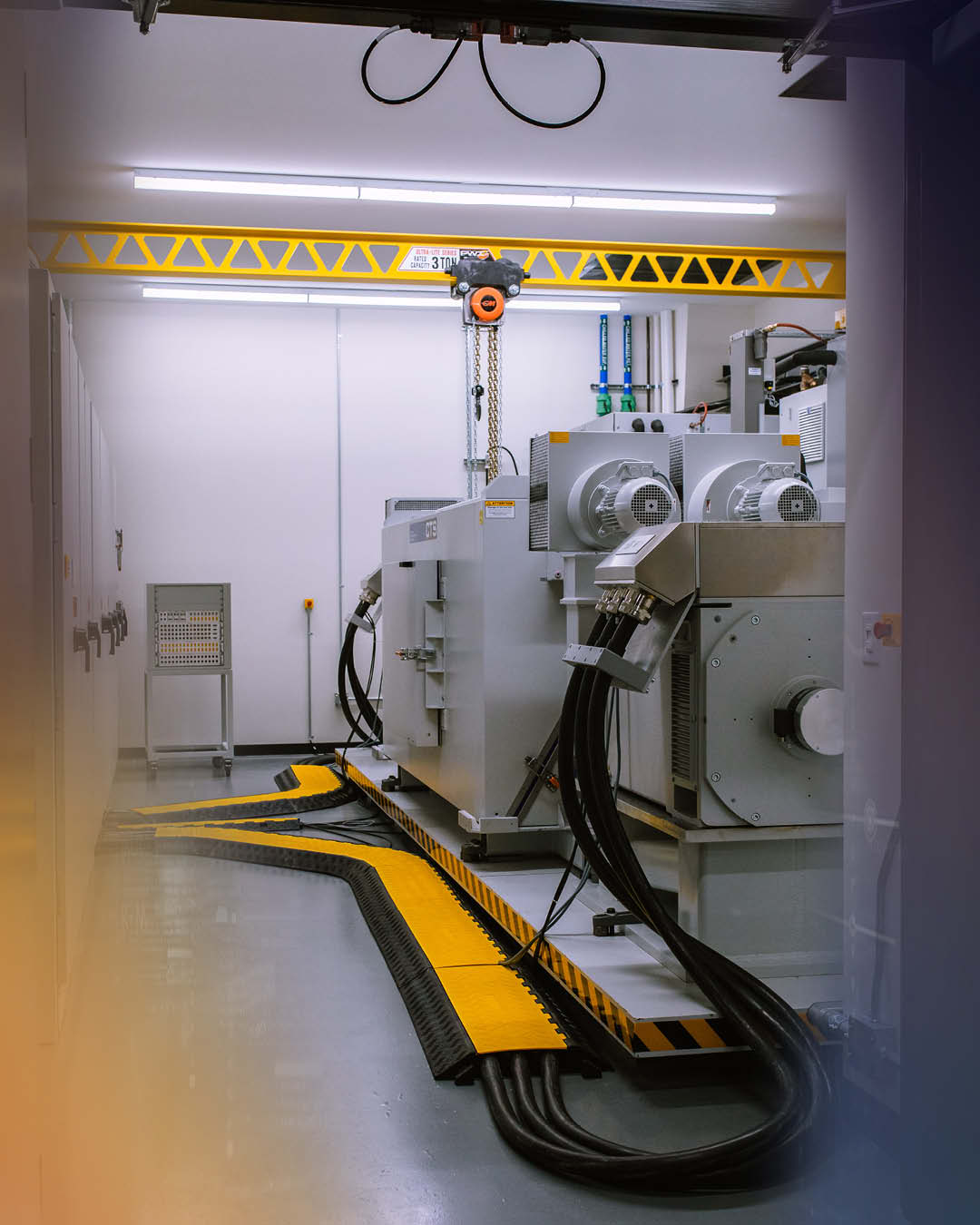
At ATESTEO North America, we’ve designed our testing infrastructure to meet the real challenges of drivetrain development.
Test setups are engineered to be adaptable — from rapid prototyping to full validation runs. Control systems, torque sensors, and interfaces are fully integrated and ready for hybrid, and electric drives.
Whether you’re testing for performance, efficiency, or endurance, our facility gives you the accuracy, repeatability, and speed you need.
No delays, no compromises! Just reliable test results for your engineering team.
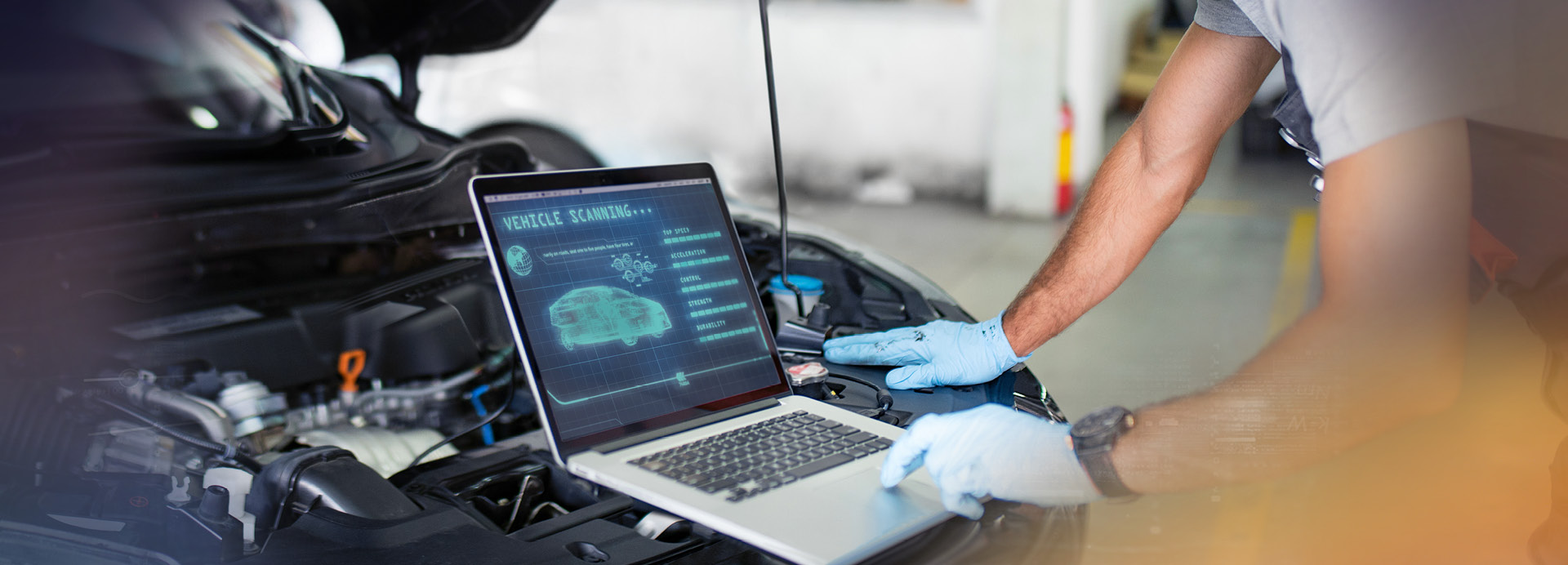
Testing is technical.
Trust is personal.
At ATESTEO, we don’t just run tests. We take responsibility for results. That means thinking ahead, asking the right questions, and standing by our data. Our team in East Lansing combines deep drivetrain knowledge with the flexibility, focus, and reliability that real development work demands.
We’re engineers working for engineers — with a clear goal: helping you build better mobility.
A partner you can rely on — technically and professionally.
What makes us the right choice for your drivetrain testing?
- ISO-certified & independent
Test results you can trust — validated, structured, and audit-ready. - 30+ years of testing experience
Trusted by leading OEMs and Tier 1 suppliers across the globe. - Fast slot availability
Testing that starts when you need it — not when someone else is finished. - Local experts, global support
Direct access to US engineers, backed by ATESTEO’s global knowledge network. - Flexible setups, full transparency
Tailored test plans, clear communication, and no hidden surprises.
PM
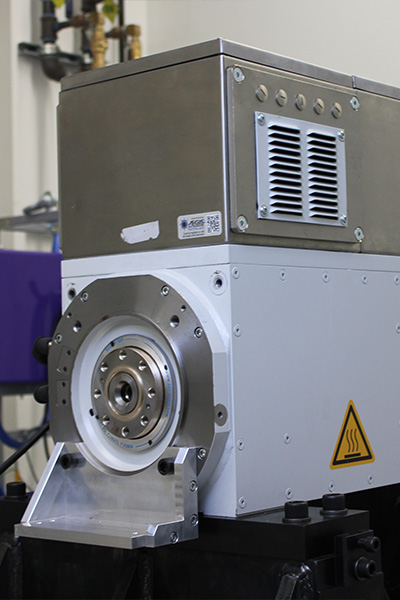
| Rated | Overload | |
|---|---|---|
| Motor | (5s every 100s) | |
| Output Power | 293.2kW | 421.5kW |
| Output Torque | 400Nm @ 7,000RPM Peak | 575Nm @ 7,000RPM Peak |
| Output Speed | 20,000RPM @ 140Nm Peak | 20,000RPM @ 201Nm Peak |
| Generator | (5s every 100s) | |
| Input Power | 293.2kW | 421.5kW |
| Input Torque | 400Nm @ 7,000RPM Peak | 575Nm @ 7,000RPM Peak |
| Input Speed | 20,000RPM @ 140Nm Peak | 20,000RPM @ 201Nm Peak |
180L
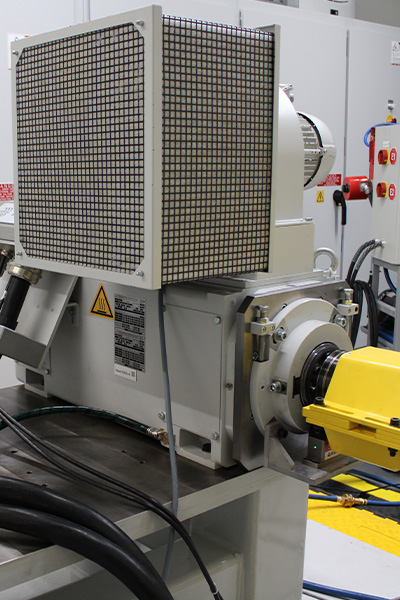
| Rated | Overload | |
|---|---|---|
| Motor | (1 min every 10 min) | |
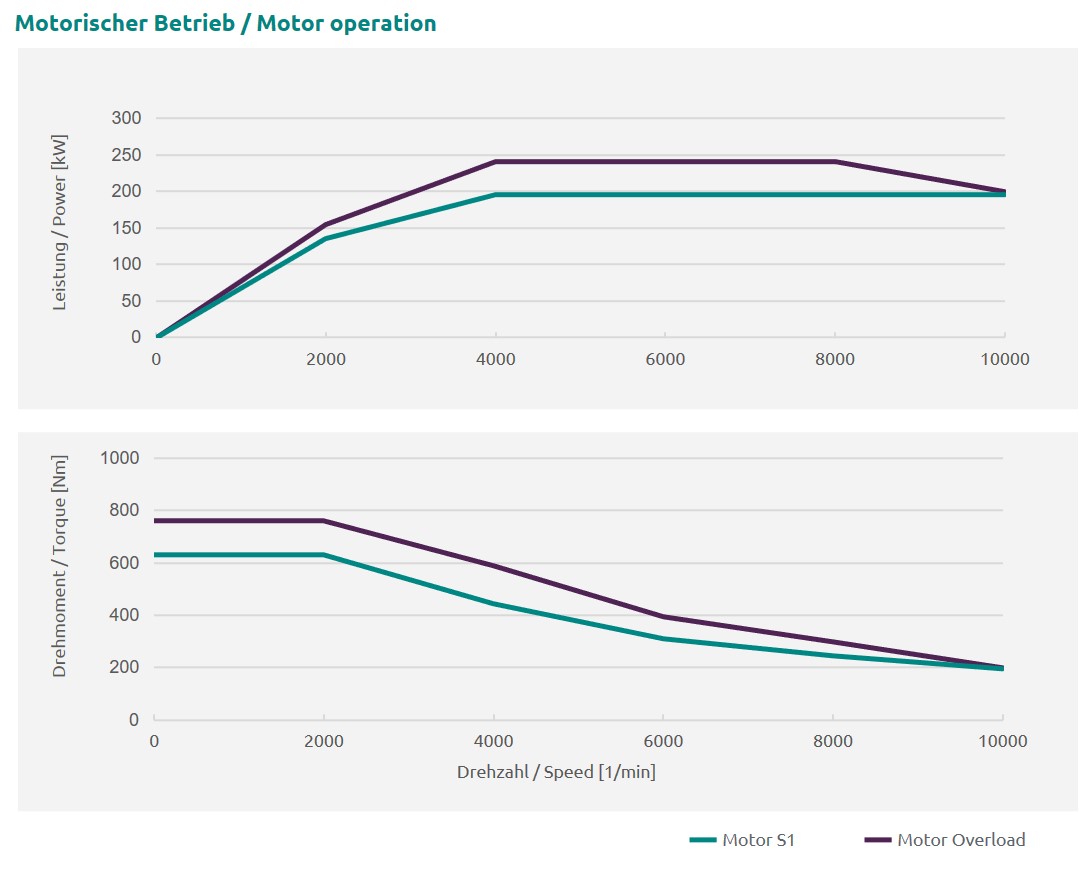
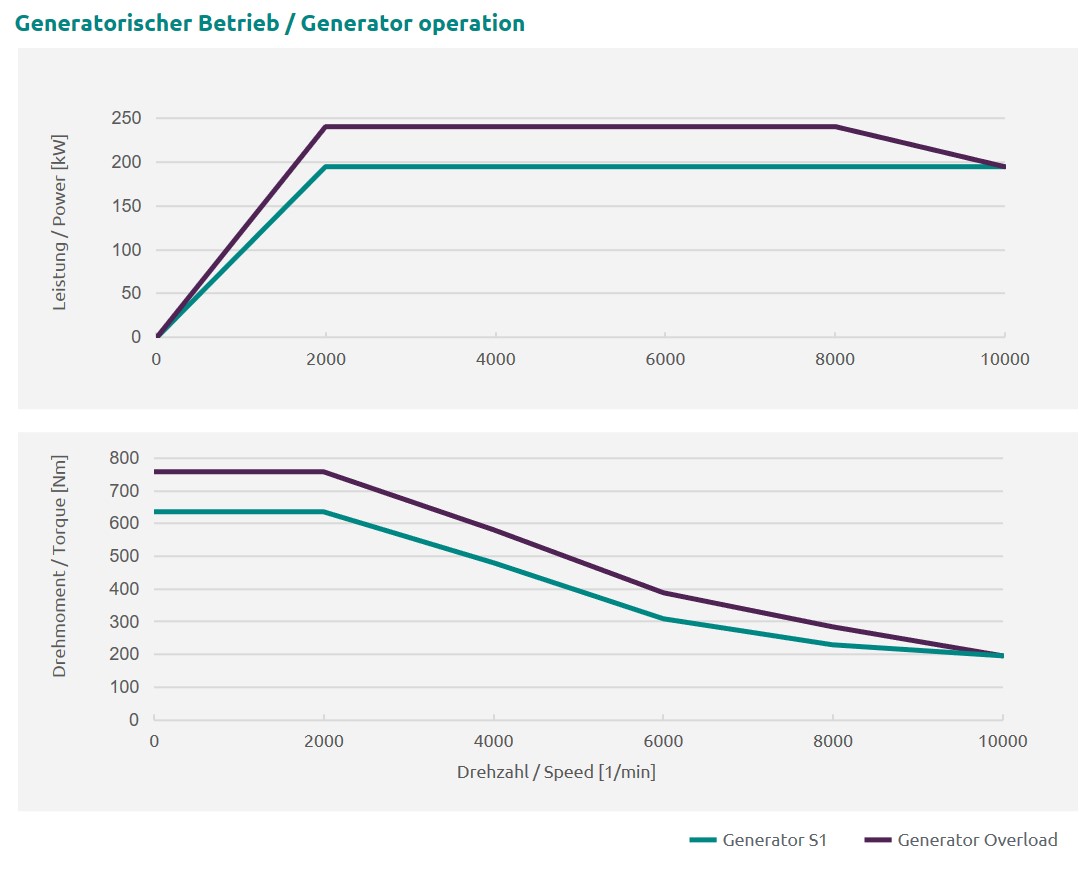
| Output Power | 198kW | 240kW |
| Output Torque | 630Nm @ 3,000RPM Peak | 764Nm @ 3,000RPM Peak |
| Output Speed | 10,000RPM @ 189Nm Peak | 10,000RPM @ 189Nm Peak |
| Generator | (1 min every 10 min) | |
| Input Power | 198kW | 240kW |
| Input Torque | 630Nm @ 3,000RPM Peak | 764Nm @ 3,000RPM Peak |
| Input Speed | 10,000RPM @ 189Nm Peak | 10,000RPM @ 189Nm Peak |
280L
| Rated | Overload | |
|---|---|---|
| Motor | (1 min every 10 min) | |
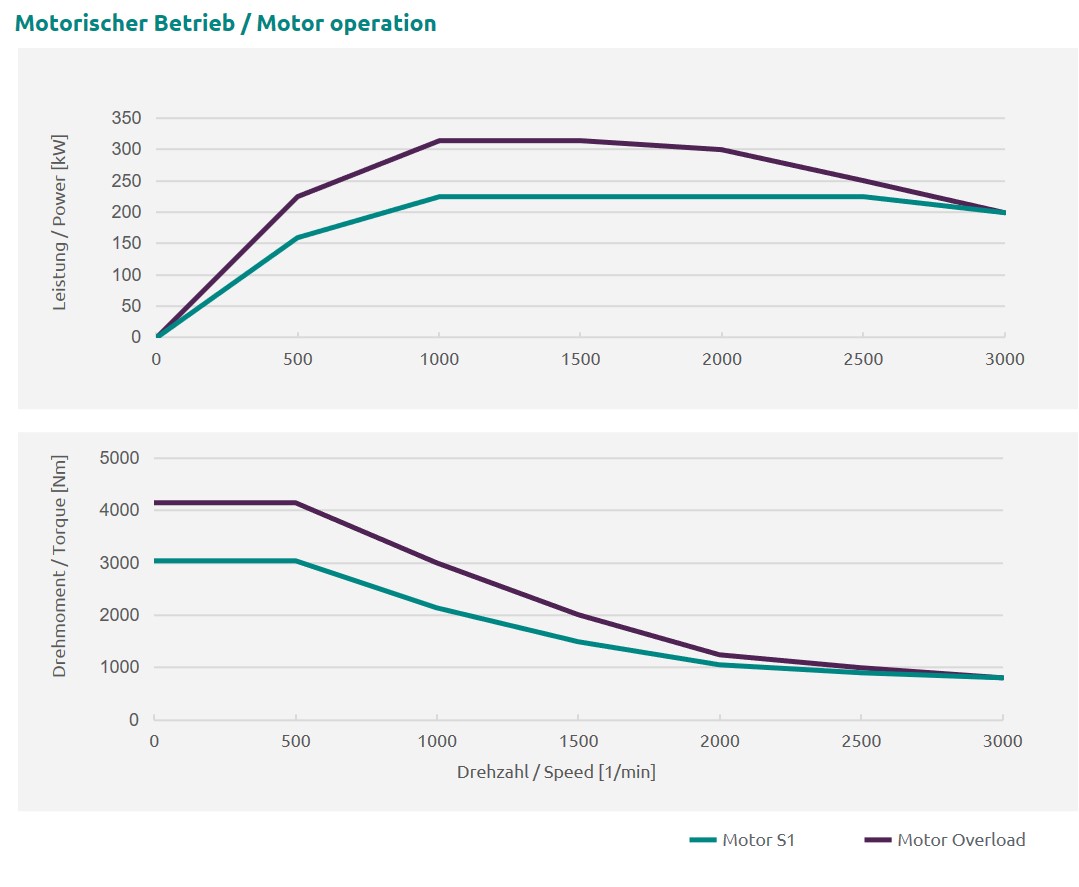
| Output Power | 224kW | 315kW |
| Output Torque | 3,056Nm @ 700RPM Peak | 4,297Nm @ 700RPM Peak |
| Output Speed | 3,000RPM @ 637Nm Peak | 3,000RPM @ 637Nm Peak |
| Generator | (1 min every 10 min) | |
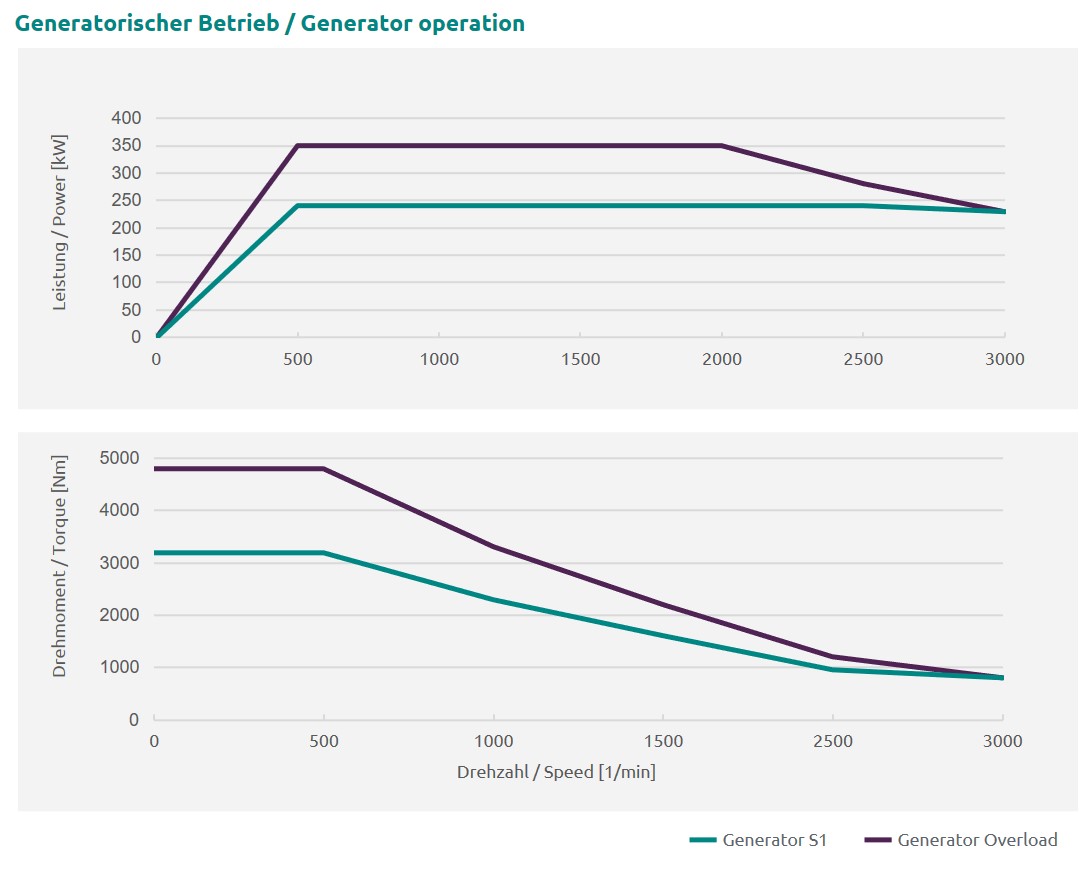
| Input Power | 245kW | 350kW |
| Input Torque | 3,342Nm @ 700RPM Peak | 4,776Nm @ 700RPM Peak |
| Input Speed | 3,000RPM @ 732Nm Peak | 3,000RPM @ 732Nm Peak |
315SX
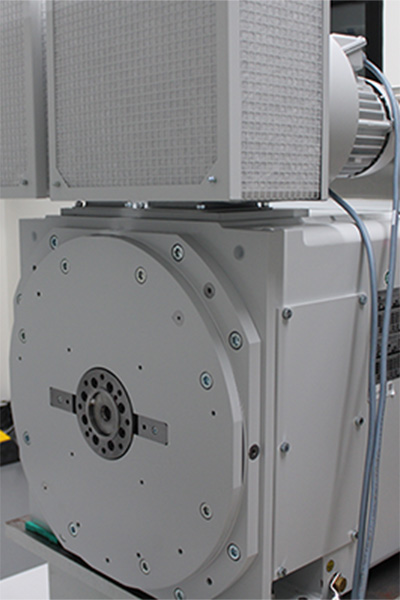
| Rated | Overload | |
|---|---|---|
| Motor | (1 min every 10 min) | |
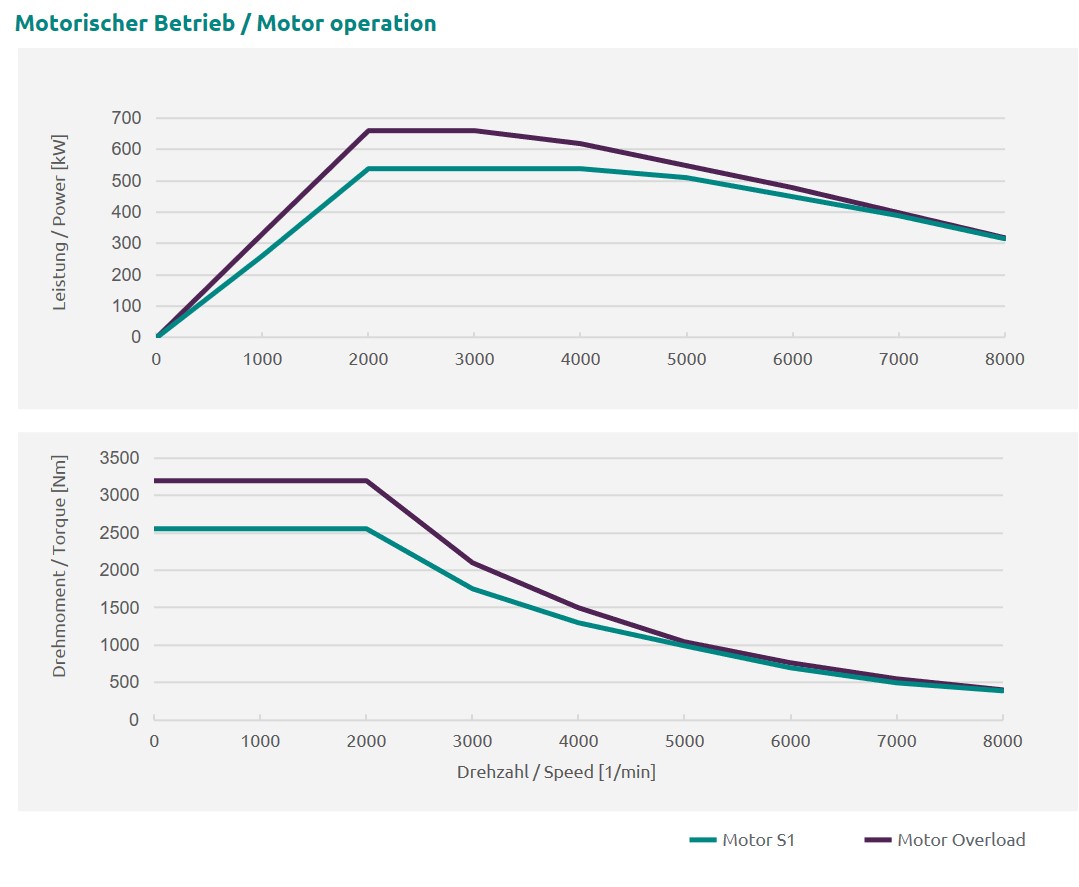
| Output Power | 536kW | 660kW |
| Output Torque | 2,559Nm @ 2,000RPM Peak | 3,151Nm @ 2,000RPM Peak |
| Output Speed | 8,500RPM @ 326Nm Peak | 8,500RPM @ 326Nm Peak |
| Generator | (1 min every 10 min) | |
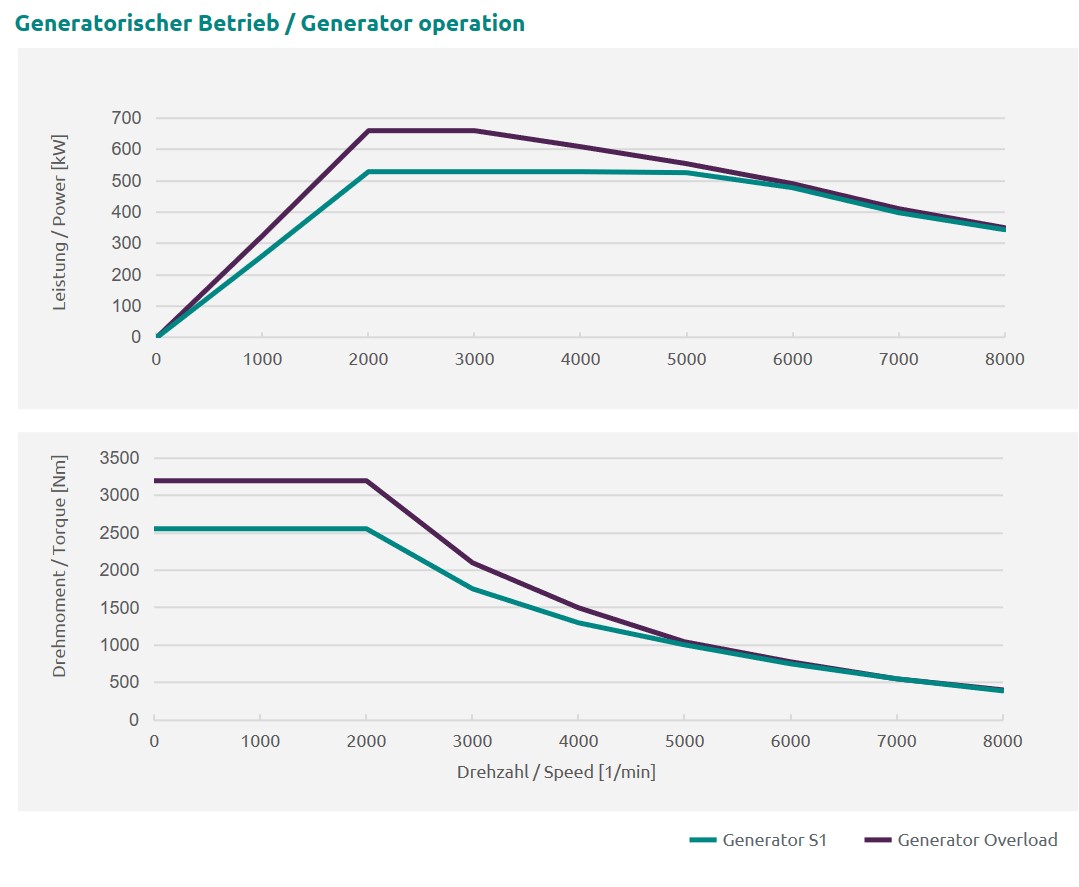
| Input Power | 536kW | 660kW |
| Input Torque | 2,559Nm @ 2,000RPM Peak | 3,151Nm @ 2,000RPM Peak |
| Input Speed | 8,500RPM @ 348Nm Peak | 8,500RPM @ 348Nm Peak |
315L
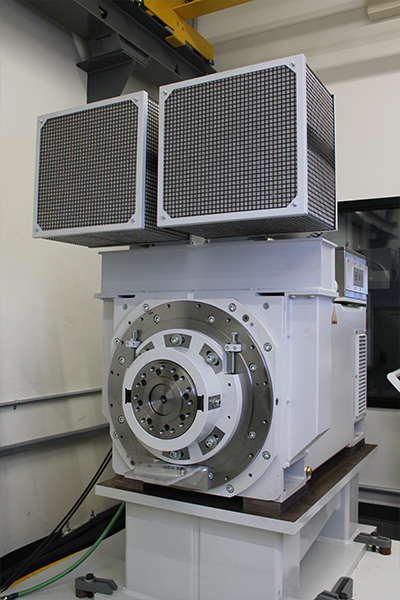
| Rated | Overload | |
|---|---|---|
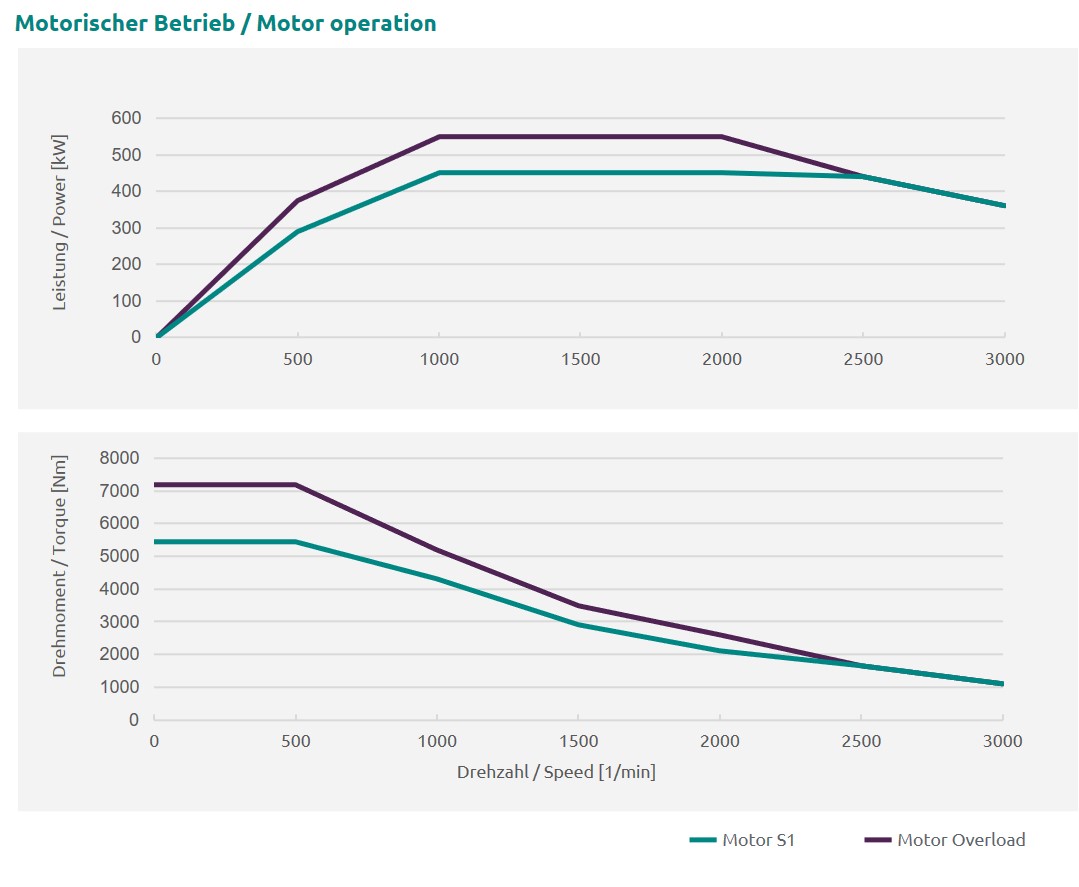
| Motor | (1 min every 3 min) | |
| Output Power | 450kW | 540kW |
| Output Torque | 5,405Nm @ 795RPM Peak | 7,202Nm @ 716RPM Peak |
| Output Speed | 3,000RPM @ 1,146Nm Peak | 3,000RPM @ 1,146Nm Peak |
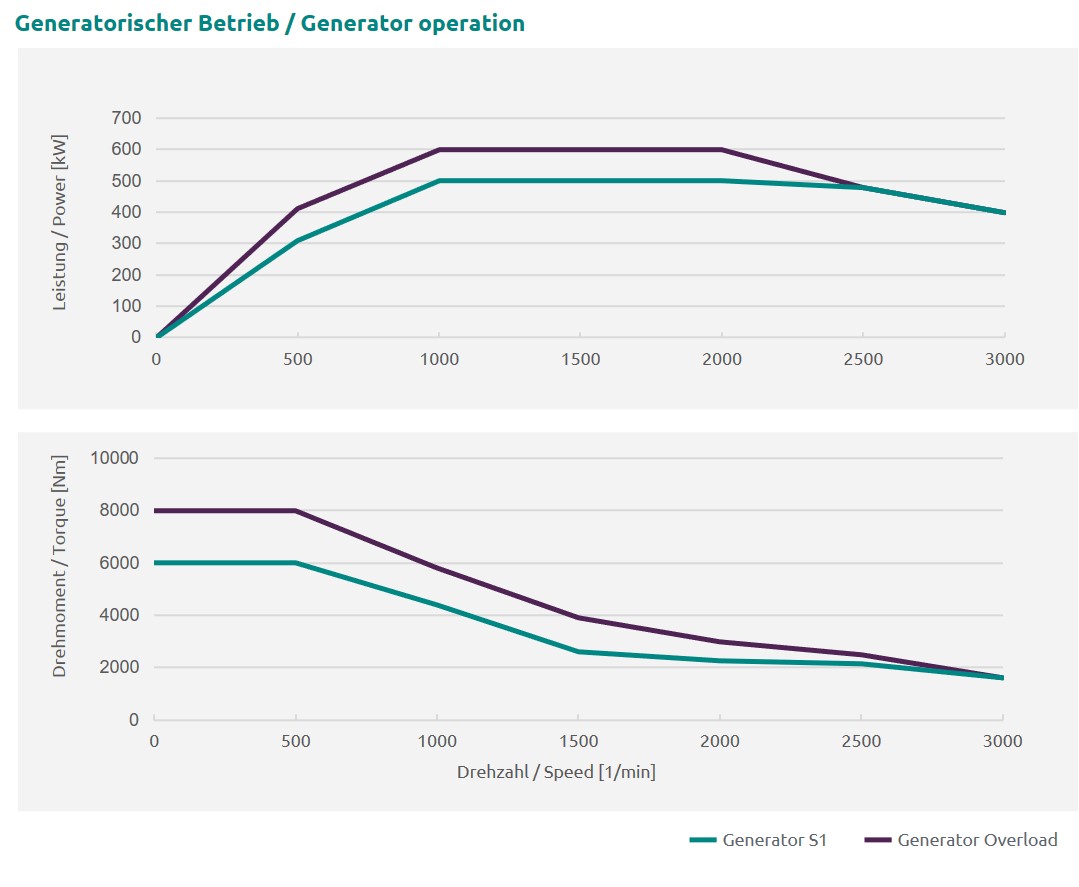
| Generator | (1 min every 3 min) | |
| Input Power | 500kW | 600kW |
| Input Torque | 6,006Nm @ 795RPM Peak | 8,002Nm @ 716RPM Peak |
| Input Speed | 3,000RPM @ 1,273Nm Peak | 3,000RPM @ 1,273Nm Peak |